“Homeopathy treats the person, not the disease. It seeks the root, not the symptom.”
— Dr. Samuel Hahnemann.”
What is Homeopathy?
Homeopathy is a natural, holistic form of medicine that has been used for over 200 years. Founded in 1796 by German physician, Dr. Samuel Hahnemann, it’s based on the principle of “like cures like”, meaning a substance that can cause certain symptoms in a healthy person can help relieve those same symptoms when prepared homeopathically.
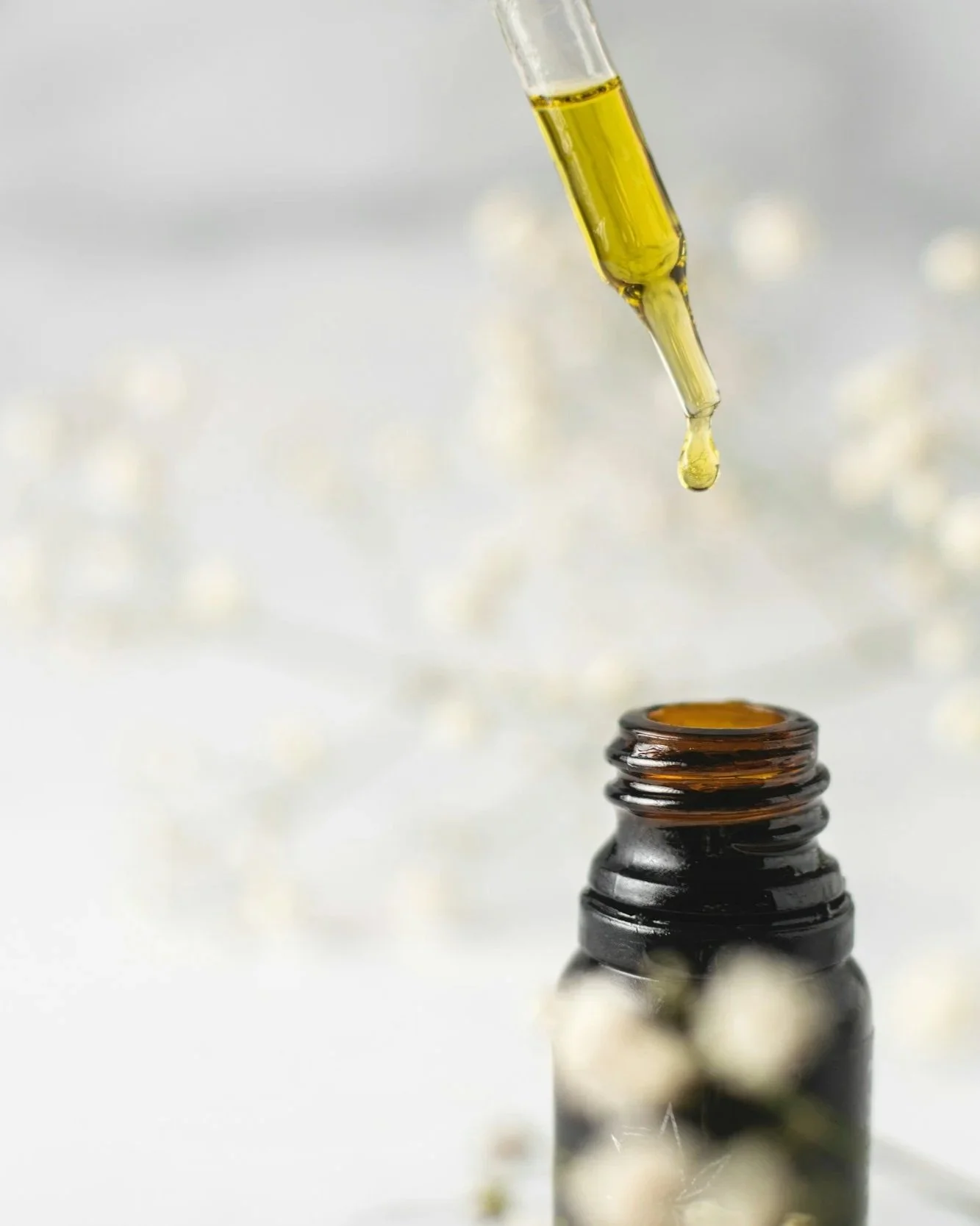
Remedies are made through a process of dilution and succession, which removes all physical traces of the original substance but retains its energetic imprint. This energetic information gently stimulates the body’s own healing response. Rather than suppressing symptoms, homeopathy sees them as important clues, signs of imbalance that can guide us toward deeper healing.
Homeopathy was once widely practiced in homeopathic hospitals and clinics across Europe and the United States, and today it continues to be embraced worldwide as a gentle yet powerful, holistic, and individualized approach to lasting healing.
Who can Homeopathy help?
Homeopathy meets the body where it is, which makes it supportive for people of all ages, all stages of life, and bodies in all states of health. Care looks at the whole person, including physical symptoms, emotional experiences, and the unique qualities that make you who you are, recognizing how all of these pieces are connected.
Because of this whole-person approach, homeopathy can support a wide range of concerns, from acute illness and injuries to more complex or unexplained conditions. It is often especially supportive for recurring issues, chronic conditions, emotional stress, sensitive systems, and for children who need a gentler approach. Homeopathy is a meaningful fit for those seeking care that truly sees the whole person and honors how everything works together..
A Homeopaths Role…
A homeopath partners with their clients, listening carefully while using homeopathic principles to help the body return to balance. Rather than focusing on symptoms one by one, a homeopath looks at the whole picture, including physical health, emotions, mental wellbeing, and life experiences, and even generational patterns, to better understand where the body is and what it needs.
By taking the time to truly listen and understand the whole person, a homeopath helps guide the body toward balance using gentle, individualized remedies. This approach supports the body so it can respond, regulate, and heal using its own innate intelligence.
A homeopath’s role is unique not only in its principles and remedies, but also in its long-standing, relational nature. Historically, homeopaths have supported individuals and families through many stages of life, often over years or even generations. This ongoing relationship allows care to remain responsive, personal, and attentive, supporting physical, emotional, and mental wellbeing as life changes and unfolds.